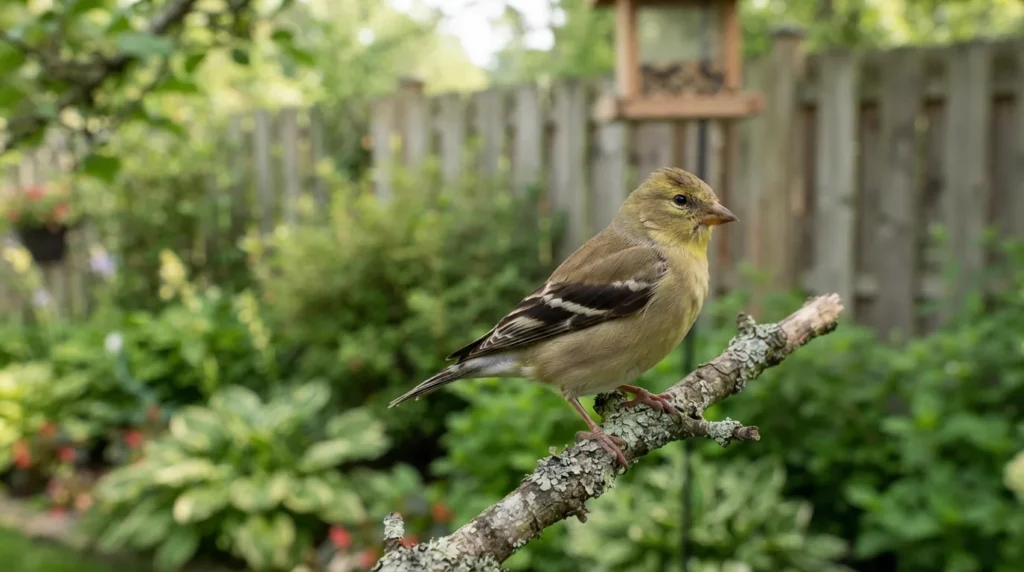
When stepping out into the yard to observe local wildlife, learning how to identify backyard birds by field marks and anatomy is one of the most reliable ways to separate similar species without relying strictly on general color patterns. Beginner birders often focus entirely on a bird’s overall hue, but lighting conditions and individual variations can easily make color misleading.
To build solid identification skills, birders rely on distinct structural traits, topographical regions, and specific physical markings. Understanding these external features transforms a confusing glimpse into a clear, confident identification.
What Are Anatomical Field Marks and Why Do They Matter?
Anatomical field marks serve as key clues that help birders and birds alike recognize specific species. The Cornell Lab of Ornithology describes field marks as distinctive stripes, spots, patterns, colors, and highlights. Birds themselves evolved these patterns partly to recognize members of their own species.
For human observers, anatomical field marks provide a systematic way to break down what you see. Rather than guessing based on a fleeting glance of feathers, noting specific stripes or patches allows you to use field guides effectively and separate closely related birds.
Mapping Bird Anatomy: Key Topographical Regions
Ornithologists divide a bird’s body into topographical regions to discuss its parts accurately. The main divisions include the beak or bill, head, back, throat, breast, wings, tail, and legs, many of which can be divided even further into specialized areas.
Learning specific bird anatomy helps in noticing and describing field marks accurately. For instance, knowing that the top of a bird’s head is referred to as the crown, or that a malar stripe is the line angling back from the chin and separating the cheek from the throat, makes observing and identifying complex feather patterns much easier.
Starting With Size, Shape, and Posture Before Details
Before diving into fine feather details, experienced birders rely on size, shape, pattern, color, and posture to narrow down species or subspecies. When faced with a bird in the field, it helps to first note key distinguishing features such as overall body proportions and bill structure.
Actions and postures also provide key clues for identifying different birds. For example, specific posture differences or tail-flaring habits can immediately separate similar-looking visitors in your yard, guiding you toward the correct bird family before you even look at its colors.
Examining Bills, Wing Markings, and Feather Groups
Structural features of the head and body proportions help narrow down bird identification significantly. Features like a thin, heavy, long, or short bill immediately point toward a bird’s primary diet and family.
Wing markings also provide crucial identification clues for several bird groups. In warblers and vireos, wing markings can ensure a positive ID even after breeding plumage is molted, while the complete absence of markings is an equally important diagnostic feature for certain flycatchers and sparrows.
| Anatomical Feature | Primary Identification Purpose | Common Examples |
|---|---|---|
| Bill Structure | Determines diet type and genus/family | Thin insect-eating bills vs. heavy seed-cracking cones |
| Wing Markings | Separates warblers, vireos, and sparrows | Wing bars, edgings, or plain uniform wings |
| Head Patterns | Highlights species-specific crown and facial stripes | Eye lines, supercilia, and malar stripes |
| Tail Patterns | Differentiates similar flight profiles and perching birds | White outer tail feathers, length, and shape |
Navigating Observation Challenges, Variations, and Ambiguity
Even with a clear understanding of anatomy, field observation comes with challenges. Plumage can be obscured by distance, tricky lighting, individual variation, staining, oil, and wear and tear from old sun-bleached feathers, making field marks difficult to assess.
Furthermore, hybrid birds are often impossible to identify with certainty in the field because they do not always show characteristics clearly intermediate between their parent species. When an individual bird presents ambiguous traits, it is best to separate observation from certainty rather than forcing a rushed identification.
For a broader look at organizing your backyard observations, you can also explore Backyard Bird Identification: A Practical Guide to Recognizing Common Birds in Your Yard to connect these structural details with common regional species.
Mastering the Details in Your Backyard
Mastering bird identification in your backyard takes time and patience. By shifting your focus from general colors to concrete structural cues like bill shapes, head stripes, and posture, you build a reliable framework for every bird that visits your feeders or trees. Remember to observe patiently, accept that some individuals may remain ambiguous due to lighting or feather wear, and enjoy the process of noticing the finer details of avian anatomy right outside your window.
Frequently Asked Questions About Bird Field Marks
What are field marks on a bird?
Field marks are distinctive stripes, spots, patterns, colors, and highlights—such as eye lines or wing bars—that help birders and birds identify specific species.
Why is bill shape important for identification?
Bill structure provides immediate clues about a bird’s diet and family, helping you quickly narrow down whether a backyard visitor is a seed-eater, insect-eater, or nectar-seeker.
Can bird plumage change or become hard to read?
Yes. Plumage can be obscured by distance, tricky lighting, staining, oil, or wear and tear from old feathers, which can make standard field marks difficult to see clearly.
How do size and posture help in the field?
Overall body proportions, silhouette, and posture allow experienced birders to narrow down bird families before examining fine color details.
Sources Consulted
- Birding 101: Using External Anatomy to Understand Birds – Indiana Audubon
- How to Identify Birds | Audubon
- Bird ID Skills: Field Marks | All About Birds
Feather Yard Guide research governance update: October 2024.
Get new guides by email
A weekly roundup when new guides are published. No daily emails.
Email confirmation required. Privacy Policy