
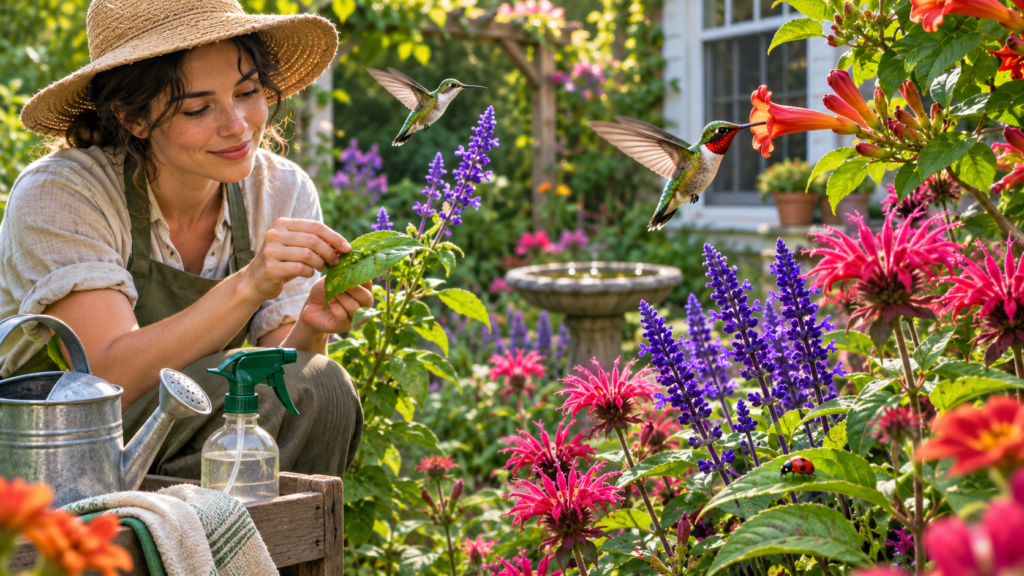
Using pesticides harmful to hummingbirds natural control methods is essential when managing a garden that supports wild birds and vital pollinators. When creating a safe environment, gardeners must be aware that conventional chemical pest and weed control products can have negative impacts on pollinators visiting the yard. Hummingbirds play an irreplaceable role as pollinators for wildflowers throughout the continental United States, relying heavily on nectar-producing plants and the tiny insects that share their habitat. Protecting these birds requires careful evaluation of everyday garden maintenance practices.
Maintaining a thriving backyard ecosystem involves understanding how chemicals move through the food web. When looking at broader habitat health, incorporating guidance from Hummingbirds in Your Yard: Feeding, Identification, Safety, and Seasonal Care ensures that your outdoor space remains a sanctuary rather than an unintended hazard.
Understanding the Pesticide Risk
Chemical pest management poses severe, often hidden dangers to backyard birds and the delicate food webs they depend on. Among the most concerning chemicals are neonicotinoids, which represent a group of systemic pesticides that pose a significant threat to pollinators. Unlike older surface sprays, neonicotinoids are absorbed by the plant and spread throughout its entire structure, rendering nectar, pollen, and leaves toxic to insects.
When garden pest control sprays contain neonicotinoids, they can be directly lethal to pollinators that feed on contaminated plants. Increased pesticide use is widely recognized as a primary stressor for pollinator populations, acting alongside habitat loss and disease to diminish populations. Because hummingbirds consume both flower nectar and small soft-bodied insects, consuming contaminated prey or visiting treated blossoms exposes them to cumulative toxins.
Understanding these underlying physiological pathways highlights why traditional broad-spectrum chemical interventions create cascading risks across the garden ecosystem. When systemic toxins infiltrate flowers and foliage, beneficial insects and visiting birds absorb or ingest these substances during routine foraging. Recognizing these vulnerabilities allows property owners to reevaluate their approach to garden maintenance, shifting away from practices that inadvertently harm local wildlife.
The pervasive nature of systemic chemicals creates an environment where toxins move through the entire life cycle of a plant. Because these substances are absorbed through the roots and transported to the foliage, flowers, and nectar, they remain active long after the initial application. For a hummingbird, which relies on high-energy intake from multiple blossoms in rapid succession, this systemic contamination presents a silent risk. The threat is not limited to direct contact; it extends to the very foundation of the hummingbird’s diet. When insects feed on treated plant tissue, they accumulate these toxins, subsequently becoming a source of concentrated chemical exposure for the birds that prey upon them. This compounding effect significantly alters the local biodiversity, often reducing the number of beneficial insects that provide essential protein to nesting hummingbirds. Recognizing the systemic nature of these threats is critical for any gardener aiming to curate a space that supports avian health. By moving away from products that infiltrate the vascular system of plants, you effectively eliminate a major pathway for chemical ingestion. This shift is not just about avoiding immediate harm, but about restoring the chemical integrity of the nectar and insects that hummingbirds depend on for survival throughout the changing seasons.
Natural Alternatives for a Hummingbird-Friendly Garden
Transitioning away from harsh synthetic chemicals does not mean surrendering your yard to destructive insects. Gardeners can employ several highly effective, non-toxic strategies to manage pests while keeping their outdoor spaces safe for visiting birds.
Manual weeding and the hand-removal of pests serve as reliable organic alternatives to chemical herbicides and pesticides. For instance, hand-picking larger caterpillars like tomato hornworms and placing them in the grass allows local birds to feed on them naturally, turning a garden pest into a helpful food source.
Biological controls also offer powerful protection. Purchasing and releasing beneficial insects, such as ladybugs, helps naturally manage problematic populations of aphids and whiteflies. Additionally, simple household mixtures like dish soap mixed with water can be sprayed directly to control white flies, though gardeners should apply this cautiously to avoid plant damage.
Physical deterrents and companion planting provide another layer of defense. Diatomaceous earth, a natural powder made from ground fossilized shells, acts as an effective deterrent for crawling pests like pill bugs, slugs, and snails without introducing toxins into the soil. Companion planting with aromatic species—such as planting marigolds among vegetables—serves as a first line of defense by providing pests with alternative food sources or repelling them with strong scents. Similarly, aromatic plants like onions and garlic act as natural deterrents for various insects and small animals.
The success of a non-toxic garden lies in creating a self-regulating environment where plants and insects achieve a natural state of equilibrium. Instead of relying on broad-spectrum interventions that wipe out both pests and the beneficial insects that consume them, gardeners can foster a diverse landscape that encourages predatory species to perform the maintenance work for them. For example, by integrating specific aromatic plants like garlic or onions, you create a complex sensory landscape that discourages many common garden pests from settling in the first place. These plants work by masking the scent of desirable crops, effectively confusing insects that might otherwise descend on your garden. Beyond deterrence, the physical management of garden spaces can further reduce the burden of pest pressure. Mechanical removal methods such as hand-weeding are widely viewed as low-impact solutions that preserve the soil structure and protect local pollinators from unnecessary exposure to herbicide residue. When you choose to manually intervene rather than spray, you ensure that every part of your garden remains safe for the hummingbirds patrolling your flowers for nectar and protein. Implementing these strategies requires a change in perspective, viewing minor insect activity not as an emergency requiring chemicals, but as an indicator of a healthy, functioning ecosystem where predators and prey balance each other out over time.
Building a Thriving Hummingbird Ecosystem
Safeguarding hummingbirds goes beyond merely avoiding poisons; it involves actively cultivating a balanced, life-sustaining landscape. Creating native pollinator gardens is a practical way to support overall pollinator health, as planting native wildflowers and nectar-rich flora restores vital foraging grounds even in small suburban yards or balcony pots.
Hummingbirds are naturally attracted to specific flower colors, particularly red, yellow, and orange blooms that signal high nectar rewards. Furthermore, integrating companion planting with flowering herbs like lavender, thyme, and basil creates a resilient garden ecosystem that readily welcomes species such as Anna’s hummingbirds. By avoiding systemic poisons and fostering diverse plant life, you ensure a safe, abundant environment for local wildlife.
Developing an integrated habitat requires patience and ongoing observation. When you curate a diverse planting scheme featuring native species, you invite beneficial predatory insects and insectivorous birds that naturally regulate pest populations without human intervention. This self-sustaining balance reduces the ongoing need for intensive garden remedies, creating a resilient refuge where hummingbirds can safely nest, feed, and raise their young.
Building a habitat that invites hummingbirds involves more than simply hanging feeders; it requires the restoration of native flora that provide the specific nectar and shelter these birds need to thrive. Native plants have evolved alongside local pollinators, meaning they offer the most efficient nutrition and are generally more resistant to local pests than ornamental varieties. By focusing on native milkweed, wildflowers, and shrubs, you provide a stable food supply that reduces the need for the human intervention that often introduces harmful chemicals into the ecosystem. This approach creates a sanctuary where hummingbirds can hunt for the small insects necessary for their protein intake while enjoying the high-quality nectar of native blooms. The inclusion of diverse plant species is essential, as it ensures that there is a continuous bloom cycle, providing a reliable resource throughout the entire period that hummingbirds inhabit the area. As the ecosystem matures, you will likely notice that the increased diversity of plants draws in a wider array of wildlife, from pollinators to insectivorous birds. Managing this space also involves staying vigilant against invasive plants, which can crowd out native species and disrupt the delicate balance required to sustain local bird populations. Active stewardship of your garden ensures that your space continues to serve as a vital link in the regional landscape for migratory and resident birds alike.
Cultivating a Safer Future for Hummingbirds
Protecting backyard hummingbirds from toxic exposure requires a conscious shift away from synthetic neonicotinoids and broad-spectrum chemical sprays. By relying instead on physical barriers, manual pest removal, companion planting, and beneficial insects, you can maintain a flourishing garden without endangering fragile pollinators. Every small organic adjustment you make in your yard contributes to a safer, more resilient local habitat for hummingbirds and other beneficial wildlife.
Frequently asked questions about hummingbird-safe gardening
Are all garden pesticides dangerous to hummingbirds?
Many conventional chemical pesticides, particularly systemic neonicotinoids, pose severe risks because they render entire plants—including nectar and pollen—toxic to visiting wildlife. Choosing mechanical or natural control methods helps prevent accidental poisoning.
What are some easy ways to manage garden pests without chemicals?
Effective organic methods include hand-picking larger pests, releasing beneficial insects like ladybugs for aphids, using diatomaceous earth for crawling insects, and planting aromatic companion plants like marigolds, garlic, and herbs.
Do hummingbirds benefit from manual pest removal?
Yes. When gardeners manually pick off certain pests like hornworms and place them in open grass areas, it encourages local birds to forage on them safely as a natural food source.
Sources consulted
- Wings of Life | U.S. Fish & Wildlife Service
- 5 Pollinator-Friendly Ways You Can Manage Garden Pests | U.S. Fish & Wildlife Service
Feather Yard Guide research update compiled on 2026-11-16.
Foto: Mike’s Birds from Riverside, CA, US — origem da imagem — licença CC BY-SA 2.0.
Get new guides by email
A weekly roundup when new guides are published. No daily emails.
Email confirmation required. Privacy Policy