
Leaving unmowed lawn and leaves for birds is a transformative approach that shifts the standard aesthetic paradigm of residential landscapes toward thriving, bird-friendly ecosystems. For many homeowners, the societal pressure to maintain a sterile, manicured lawn often obscures the ecological reality that ground-level cover and organic debris are fundamental requirements for local bird species. By choosing to step back from rigid maintenance schedules, you are not merely neglecting a chore; you are actively cultivating the foundation of a complex and vibrant food web right at your doorstep.
This shift in practice supports soil health, encourages essential biodiversity, and provides a direct resource for birds that depend on insects and seeds sheltered within the undergrowth. Embracing a more naturalized yard allows for a sustainable transition that benefits your local environment while reducing the time, labor, and fossil-fuel consumption typically associated with traditional landscaping. By rethinking the definition of a ‘perfect’ yard, you create a space that sustains life throughout the changing seasons, offering a sanctuary for migratory and resident birds alike.
Why ‘Messy’ Lawns Are Actually Thriving Ecosystems
The traditional vision of a pristine, uniform lawn often masks a significant lack of biological activity. In contrast, letting your yard retain some natural debris creates a localized habitat where soil health can flourish, turning your property into a mini-ecosystem rather than a static visual display. Evidence indicates that spaces managed with less intensity, when allowed to develop a more complex structure, host higher levels of essential soil components, including organic carbon, nitrogen, and a more balanced pH level, compared to strictly open, bare grass areas. These parameters are crucial for supporting the insects that birds rely on for survival.
These ‘messy’ areas foster significantly higher levels of microbial biomass, which acts as the biological engine of your yard. When you leave fallen leaves and plant trimmings in place, you are essentially mimicking the nutrient-cycling processes found in natural woodlands. This natural recycling approach helps maintain soil quality and supports carbon sequestration efforts, providing a sustainable, passive alternative to the energy-intensive practice of clearing every organic fragment from your property. The accumulation of these materials creates a refuge for the essential macrofauna that form the base of the food chain for local insectivorous birds.
The Science of Soil and Decomposition
Understanding how your yard functions on a microscopic level helps demystify the decomposition process and clarifies why leaving plant matter in place is so beneficial. Contrary to the assumption that climate is the only factor in decay, the speed at which leaves and plant debris break down is primarily driven by the biochemical composition of the material itself—specifically the concentrations of lignin and various soluble compounds. Because of this biological reality, the type of plant matter you have in your yard is a much stronger driver of decomposition than the slight microclimatic differences between a shady, tree-covered lawn and an open, sunny patch of grass.
For instance, leaf litter from specific shrubs tends to decompose at a noticeably faster rate than the tougher leaves of many standard ornamental trees. Some varieties, such as those from common shrub species, exhibit rapid breakdown rates, while others, specifically those from certain oak varieties, decompose more steadily. This means that a ‘messy’ yard is not necessarily a yard that stays cluttered forever; it is a system in motion. Furthermore, the macrofauna present in your soil—such as earthworms, beetles, and other invertebrates—play a massive, often overlooked role in processing this organic matter.
When you exclude the use of harsh chemicals and avoid the frequent, disruptive practice of raking, you preserve the habitat for this critical macrofauna. Because the actual quality of the leaf litter dominates the decomposition process, the minor temperature increases associated with open lawns have limited impact on how quickly your yard ‘cleans’ itself. This allows you to leave leaves with confidence that natural processes will handle the turnover, effectively supporting the soil processes without the need for constant human intervention or fossil-fuel-reliant removal.
Comparing Managed vs. Unmanaged Yard Debris
Deciding how to manage your yard waste requires a clear look at the trade-offs between neighborhood aesthetic expectations and the actual environmental, financial, and labor costs. Traditional landscaping often relies heavily on fossil-fuel-dependent equipment, such as blowers and mowers, which consistently contributes to a negative carbon footprint for your home. By shifting your approach, you can reallocate those resources toward more productive gardening efforts that prioritize ecological function over rigid form.
| Practice | Environmental Impact | Resource/Labor Demand | Biodiversity Value |
|---|---|---|---|
| Frequent Mowing/Raking | High (emissions/noise) | High (fossil fuel/time) | Very Low |
| Natural Leaf Recycling | Very Low (carbon sink) | Negligible (passive) | High |
| Selective Maintenance | Moderate | Low | Moderate |
Practical Steps for Transitioning Your Yard
Transitioning to a more natural, bird-supporting landscape is a process, and it does not mean your entire property must look like an unkempt field. The most effective approach is to start with deliberate zones. Identify areas under existing shrubs, along fence lines, or at the edges of your property where leaf litter can remain undisturbed throughout the year. These zones serve as immediate, high-value cover for birds as they forage for insects during critical nesting and migration periods.
If you are interested in making broader changes to your property, learning how to How to Create a Bird-Friendly Backyard Habitat is a highly recommended next step. The goal is to layer different plant heights and allow ground-level cover to persist, providing shelter that traditional lawn equipment usually strips away. By creating small, deliberate islands of ‘wildness,’ you can significantly increase the variety of birds you observe without the pressure of a complete or immediate transformation of your entire lawn. This measured approach allows the soil to adapt and the local insect population to recover, providing a steady, reliable food source for your backyard visitors.
Small Changes, Big Impact for Backyard Birds
Reframing how you view your lawn is a long-term investment in the health of your local ecosystem. By moving away from the relentless cycle of removal and constant maintenance, you allow your soil to become more resilient and biologically productive. Every cluster of leaves you leave in a quiet corner of your yard acts as a mini-habitat, supporting the diverse macrofauna that our local birds depend on for their daily survival. These incremental changes help stabilize the environment and ensure that your yard functions as a sanctuary rather than a sterile barrier to wildlife.
Start small by designating one section of your yard to leave unmowed or unraked this season. Observe how the change in structure influences bird behavior over time, and adjust your practices as you see your garden becoming a more vital, living part of your local environment. These modest adjustments contribute to a healthier, more vibrant landscape for both you and your backyard visitors, creating a natural legacy that persists long after the maintenance tools are put away.
Frequently asked questions about eco-friendly lawns
Does leaving leaves and clippings cause lawn diseases?
Not necessarily. Natural decomposition is a healthy part of a functioning ecosystem. Concerns about lawn debris typically stem from aesthetic preferences rather than genuine risks to healthy, established lawns and landscapes.
Do I need to worry about insects or pests if I leave my yard messy?
While leaf litter provides essential cover for many insects, these are predominantly beneficial invertebrates that form the backbone of a bird’s diet. Promoting a healthy balance in your yard usually prevents the overabundance of any single unwanted species.
Will my neighbors complain if I stop raking?
Many homeowners find that maintaining a clean edge, such as a mowed border around a wilder interior patch, acts as a visual cue that the ‘messiness’ is an intentional ecological choice. This practice keeps the yard looking cared for while still providing the immense biodiversity benefits of a naturalized space.
How long does it take for leaves to break down?
Decomposition rates vary based on the type of material. Research shows that certain shrub leaf litter decomposes significantly faster than tree leaves, meaning that nature is often faster at recycling your yard waste than you might expect.
Sources consulted
Research data governance: 2026-11-11 | Feather Yard Guide
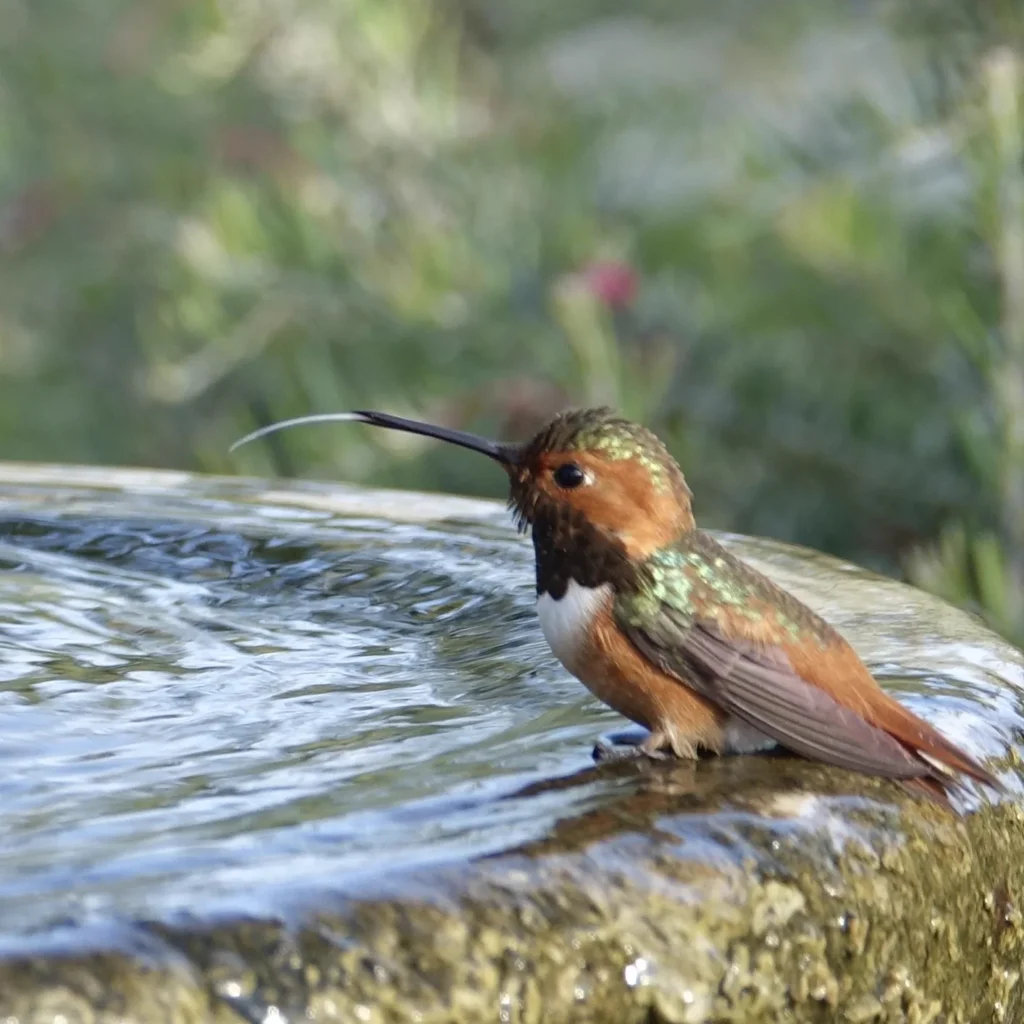
Foto: Mike’s Birds from Riverside, CA, US — origem da imagem — licença CC BY-SA 2.0.
Get new guides by email
A weekly roundup when new guides are published. No daily emails.
Email confirmation required. Privacy Policy