

Learning how to set up suet bird feeders is an excellent way to expand your backyard birding repertoire, providing a concentrated, high-energy food source for specialized species. By selecting the correct equipment and maintaining it with consistent hygiene practices, you can create a sustainable feeding environment that invites fascinating insectivorous birds, such as woodpeckers and wrens, to your yard throughout the seasons.
Providing suet—a substance rendered from beef or mutton fat—is a practical strategy for supporting birds that require nutrient-dense, easily metabolized fuel for their high-energy lifestyles. When you invest in the appropriate gear, you gain the opportunity to observe these active foragers at close range. For a broader perspective on managing your avian visitors, our guide on Bird Feeders and Accessories: How to Choose, Place, and Maintain the Right Setup offers foundational knowledge on keeping your entire feeding station efficient, organized, and bird-friendly.
Why Add a Suet Feeder to Your Backyard?
Suet serves as a vital energy source for wild birds, particularly those that are insectivorous. Because it is essentially pure fat, it provides an efficient caloric boost that many birds need to fuel their daily activities. Woodpeckers and wrens are among the primary species attracted to these feeders, as they are naturally inclined to forage for high-protein and high-fat items. By offering suet, you can successfully draw these birds into your yard, even if they are not typical visitors to standard seed-only feeding stations.
Integrating suet into your landscape is a beneficial, year-round practice, as insect-eating birds require consistent energy sources even when natural insect populations fluctuate. The effectiveness of this setup relies on both the quality of the suet product and the design of the feeder, which should be tailored to meet the physical feeding habits of your target species. Providing this resource helps support the health and vitality of your local avian community, making your backyard a reliable destination for nature observation.
Choosing the Right Suet Feeder Design
Selecting the right feeder requires considering how specific birds interact with their food. Woodpeckers, for instance, are naturally adapted to clinging to vertical surfaces. To support their feeding behavior, look for feeders that feature an extended tail prop. This design element provides a necessary stable surface for the bird to press its tail against, effectively mimicking the experience of searching for insects on a tree trunk. Without this support, some woodpeckers may find it more difficult or uncomfortable to access the suet.
Material choices influence the longevity of your setup. Metal feeders, particularly those constructed with stainless steel mesh, are highly favored for their durability and resistance to weather damage. Unlike some plastic alternatives, high-quality metal cages are also more resistant to the chewing habits of squirrels. Other options include feeders built from cedar or recycled plastic, which offer a natural or sturdy aesthetic while housing the suet cakes securely. For smaller yards or limited spaces, combination feeders that can hold both suet and traditional bird seed are a versatile way to maximize your resources.
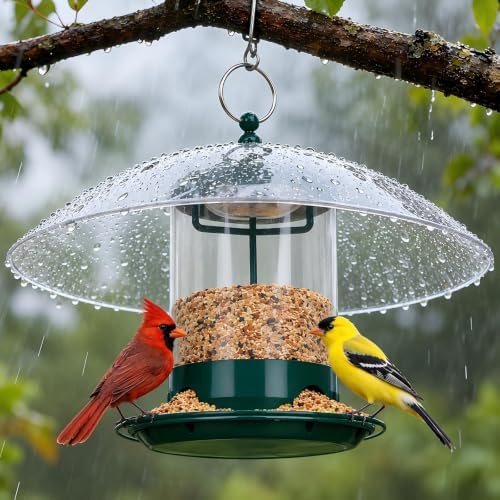
For those specifically looking to deter larger pests, cage designs with tightly woven wire or specific entry openings—often around 1 1/2 inches—limit access to smaller birds. Additionally, some models incorporate specialized features such as roofs or rain guards that protect the suet and the birds from precipitation, ensuring the food remains dry and palatable. If you have high bird traffic in your area, you may consider a double-cage feeder with an integrated tail prop, which allows you to offer twice the amount of food without needing a larger footprint. Certain suet shield feeders also utilize stainless steel mesh to limit how much suet birds can take at once, preventing waste and ensuring the feeding station remains orderly.
When configuring your equipment, incorporating upside-down feeder designs can serve as an effective conditional strategy to naturally limit access for heavier, unwanted pest birds while comfortably accommodating agile insectivores like woodpeckers. Furthermore, utilizing stainless steel mesh not only enhances durability against weathering but also helps prevent suet gorging by limiting the amount of food birds can extract at a single time, thereby reducing waste and maintaining a more orderly feeding station. When evaluating capacity for high-traffic environments, double-cage configurations allow backyard birders to offer multiple blocks simultaneously without expanding the physical footprint of the station. However, the success of these specialized designs depends entirely on matching the physical structure to the correct form of feed, ensuring that your chosen setup adequately supports your local avian visitors under varying regional conditions.
Placement, Seasonal Management, and Safety
Strategic placement is essential for both bird comfort and your own viewing experience. Feeders should generally be hung at a height of 5 to 10 feet above the ground. This elevation allows birds to reach the food while remaining close to natural cover, such as shrubs or trees, which provides a vital escape route if a predator is spotted. You can hang your suet station from various sturdy structures, including poles, deck rails, or branches, provided the chosen hardware—such as stainless steel cables, brass hardware, or robust black chains—is capable of supporting the weight and resisting wind.
Temperature management is a critical aspect of suet safety, particularly in warmer U.S. regions. Never use raw fat sourced from a butcher shop; this material can easily melt and turn rancid in temperatures above freezing. If raw suet melts, it can become sticky, coat a bird’s feathers, or potentially clog eggshells, which deprives developing embryos of the oxygen they need. Instead, always choose store-bought suet dough that is specifically formulated to remain firm in temperatures up to 100°F. Using these specially designed products ensures that your feeding environment remains safe and healthy for your backyard visitors, even during the heat of summer.
Proper execution of placement and seasonal guidelines requires careful attention to hanging hardware and thermal limits to safeguard wildlife health. Hanging your equipment securely using robust materials such as heavy-duty stainless steel cables, brass hardware, or resilient chains ensures the station remains stable against strong winds when positioned at the recommended height of 5 to 10 feet above the ground. In regions subject to elevated temperatures, substituting standard mixes with specially formulated suet dough is conditionally mandatory, as this processed product is engineered to withstand warm weather and prevent the severe hazards associated with melting fats. Raw butcher shop suet must be strictly avoided under all circumstances, as it lacks the thermal stability required for warm environments and poses significant risks to bird plumage and nesting success.
Maintenance Checklist for Bird Health
Maintaining a clean feeding station is the most effective way to prevent the spread of mold or disease among your backyard birds. Implement this routine to keep your equipment in top condition:
- Weekly Inspection: Regularly check the feeder for any remaining suet that appears old, moldy, or has a strong, unpleasant odor. Inspecting for bird waste or leftover debris is part of maintaining health standards.
- Cleaning Routine: Clean your suet cage or mesh container thoroughly every 1 to 2 weeks. Use a mild soap and water solution to wash the feeder, and ensure all parts are completely dry before you replace the suet.
- Surrounding Hygiene: During your cleaning process, clear away any bird droppings, husks, or other debris that have collected on the ground or the feeder’s surfaces.
- Monitoring Quality: Keep an eye on the consistency of the suet block. If you notice it becoming overly soft, drooping, or changing texture due to heat, remove it immediately to prevent waste and maintain hygiene standards.
Frequently Asked Questions About Suet Feeders
Are suet cakes the only form of suet I can use?
No, there are several variations available. Suet cakes are the most common and convenient form, designed to fit standard wire cages perfectly. However, you can also use suet nuggets, which are smaller pieces that do not require a specialized cage and can be placed in standard bird feeders or tray feeders.
Do I need a special feeder for suet balls?
Yes, suet balls generally require a feeder with open-structure walls, such as woven wire or wooden slats. These designs are essential because they allow the birds to grip the surface and pull small pieces of suet through the gaps, which they cannot do if the suet is served on a solid, flat surface.
Can I put suet out in the summer?
Yes, but you must use formulated suet dough that is specifically designed to withstand warm temperatures. Avoid raw suet at any time when temperatures exceed freezing, as it poses a significant risk to the health of the birds by melting and causing feather-matting.
Creating a Sustainable Feeding Environment
Establishing a successful suet feeder setup is a rewarding project that invites high-energy insectivores like woodpeckers and wrens into your garden. By selecting feeders that align with the natural behavior of these birds—such as opting for models with tail props—and prioritizing the use of temperature-safe suet dough, you create a beneficial and sustainable resource for your local avian population. Remember that the longevity and safety of your feeding station depend heavily on consistent, routine cleaning. Make it a habit to inspect your gear regularly, clear away waste, and replace feed before it spoils. As you begin, start with a simple, high-quality mesh feeder and observe which species frequent your yard, allowing you to gradually refine your setup to best meet the needs of the birds visiting your area.
Helpful tool: Organize your backyard bird observations. Backyard Bird Checklist.
Sources consulted
- The Best Types of Suet and Feeders for Wild Birds
- Suet Bird Feeders | Woodpeckers & Nuthatches Block Feeders | Duncraft
- Woodpecker Feeders – Kettle Moraine Woodworking Inc
Research current as of 2026-11-13. Provided by Feather Yard Guide.
Foto: Tim Felce (Airwolfhound) — origem da imagem — licença CC BY-SA 2.0.




Get new guides by email
A weekly roundup when new guides are published. No daily emails.
Email confirmation required. Privacy Policy