
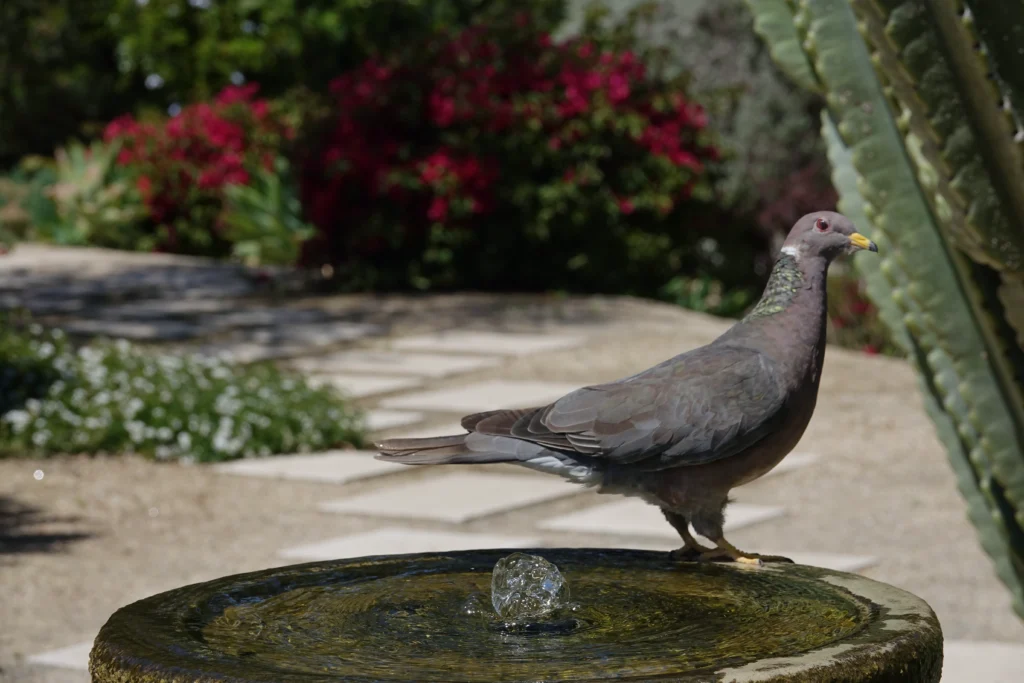
Identifying what not to feed wild birds dangerous foods is a fundamental aspect of responsible wildlife stewardship for any homeowner. While the impulse to share leftover kitchen scraps or household snacks with backyard birds often comes from a place of genuine care, these artificial handouts frequently introduce significant health, behavioral, and ecological risks that many enthusiasts overlook. Understanding the biological and environmental consequences of providing human-derived sustenance is essential for anyone aiming to cultivate a truly bird-friendly habitat.
Supporting local wildlife requires a commitment to natural foraging habits and, when necessary, providing only scientifically sound, species-appropriate nourishment. Incorporating these principles into your routine—such as through the practices described in Backyard Bird Feeding and Seeds: How to Feed Wild Birds Responsibly—ensures that your interactions with nature remain safe and beneficial for the birds rather than inadvertently contributing to their decline.
Why Casual Handouts and Kitchen Scraps Harm Wild Birds
When well-meaning individuals offer kitchen scraps such as bread, processed crackers, or various leftover table foods, they may unintentionally disrupt the delicate nutritional balance that wild birds maintain through natural foraging. Most human-grade foods are calorie-dense but nutritionally incomplete for wild species, lacking the essential vitamins, minerals, and proteins found in their wild diets. By filling their stomachs with low-quality, artificial fare, birds often skip the necessary, nutrient-rich foods they would otherwise seek, leading to long-term issues with vitality and immune system function.
Beyond basic nutrition, the practice of providing artificial handouts serves as a significant biological stressor. Birds that rely on these easy, human-provided energy sources often experience physiological changes, and the mere presence of concentrated food sources alters how they interact with their environment. The shift from natural foraging to dependence on human-managed resources is a major concern, as it removes the wildness and adaptability that birds require to survive changing seasons and varying food availability across the landscape. Because these birds lose their natural foraging behaviors, their long-term survival rates in the wild can be significantly impacted.
How Artificial Feeding Creates Dangerous Dependency and Alters Behavior
One of the most profound impacts of regular, artificial feeding is the creation of a dependency on human intervention. When birds are provided with constant food sources, their instinctive behaviors—such as the seasonal drive to migrate to more suitable wintering grounds—can be severely delayed or even abandoned entirely. This dependency is particularly hazardous for migratory species, which may find themselves stuck in regions where food becomes scarce and environmental conditions turn harsh during the winter months, leaving them without the migratory momentum necessary for survival.
Furthermore, artificial feeding causes waterfowl to lose their natural, protective fear of people, a change that introduces direct physical hazards to the birds. When wild birds, especially waterfowl, become accustomed to humans as a source of food, they often adopt behaviors that conflict dangerously with modern human infrastructure. It is not uncommon for habituated birds to wander onto busy roadways, airport runways, or other high-traffic human spaces, where their diminished caution makes them susceptible to collisions and other human-related accidents. This loss of wild behavior is a permanent shift that reduces the birds’ ability to avoid genuine threats in their daily lives, essentially stripping them of the natural caution required for their safety.
Crowding, Flocking, and the Rapid Spread of Flock Diseases
Concentrated, human-managed feeding sites inevitably pull birds into unnaturally dense groups, creating a scenario where disease transmission becomes a primary threat. Handouts lead to crowding, which significantly increases susceptibility to illness because birds are forced to compete in close proximity, increasing physical contact and stress levels. This combination of malnutrition and stress from constant competition makes entire flocks far more vulnerable to life-threatening conditions like avian cholera, duck plague, and avian botulism. The resulting health risks are often severe and difficult to manage within a local wildlife population.
Once a site becomes an aggregation point, the spread of pathogens occurs rapidly through the flock. When birds are bunched closely together, a single infected bird can quickly contaminate a shared, limited water supply, which acts as a vector for various illnesses. Diseases like the common cold or more severe avian infections spread through a congregation of birds far more effectively than they would among a population that is naturally distributed across a larger landscape. By intentionally attracting many birds to a single, small space with food, the feeder may inadvertently transform a backyard oasis into a significant health hazard, compromising the well-being of the entire local avian community.
Environmental Impact: Water Quality and Aggregation Risks
Feeding wild birds, particularly waterfowl in ponds or backyard water features, results in profound degradation of the local environment beyond the health of the birds themselves. Concentrated, human-fed populations produce a volume of droppings far beyond the natural carrying capacity of the local habitat. Waterfowl droppings from these unnaturally large, stagnant, or slow-moving populations are a primary driver of water quality problems that damage the surrounding ecosystem.
Excessive nutrients introduced into the water from this concentrated waste often lead to noxious summer algal blooms. These blooms consume the available oxygen in the water, which in turn kills fish and other aquatic organisms, effectively destroying the food webs and habitats that support broader biodiversity. The ecological degradation caused by over-concentration around feeding sites serves as a strong reminder that the best way to support birds is often to preserve the integrity of their natural habitat rather than attempting to manage their food intake manually.
Practicing Responsible Backyard Bird Feeding
To enjoy the beauty of backyard birdwatching without the risks associated with kitchen scraps or localized over-aggregation, it is necessary to pivot toward more responsible, evidence-based practices. The goal is to provide a clean, supplementary environment that supports bird health without encouraging the problematic behaviors or environmental damage detailed above. Avoid the use of bread, processed snacks, or table scraps entirely, as these have no place in a healthy, natural diet for wild species.
Instead, focus on maintaining clean water sources—which are critical for bird health—and using high-quality, species-specific bird seeds in well-maintained, hygienic feeders. Proper feeder hygiene is essential to prevent the accumulation of waste and the transmission of disease. By keeping feeding areas clean, limiting the total volume of supplemental feed, and focusing on native plantings, you can support local bird populations effectively without creating the dependencies and health risks that come from casual, unregulated feeding of scraps. This approach helps maintain the natural ecological balance in your backyard.
Frequently Asked Questions About Feeding Wild Birds
Why is bread harmful to wild birds?
Bread and similar baked goods lack the complex nutrients wild birds require, filling their stomachs with empty calories while discouraging them from seeking out the natural, energy-dense foods essential for survival and immune health.
How does artificial feeding affect bird migration?
Regular artificial feeding creates a dangerous dependency on people, which can lead birds to delay or abandon their natural, essential migration cycles, leaving them vulnerable to harsh winter conditions.
Can feeding birds cause diseases to spread?
Yes. Providing large amounts of food in one location causes excessive crowding, which increases stress and facilitates the rapid transmission of life-threatening diseases like avian cholera through the flock and shared water sources.
Does backyard bird feeding damage local water quality?
Yes, when birds are forced into unnaturally high concentrations by human feeding, their accumulated droppings introduce excess nutrients into ponds and water features, which often results in severe water quality issues and oxygen-depleting algal blooms.
Helpful tool: Compare suitable bird food and feeder options. Bird Food & Feeder Finder.
Sources Consulted
Protecting Backyard Birds Through Responsible Choices
Ultimately, the health of our local bird populations depends on our willingness to move away from casual, convenience-based feeding habits. While the desire to interact with wild birds is common, providing artificial scraps creates long-term hazards, from altered migration and behavior to the rapid spread of diseases and the degradation of local water quality. By choosing to prioritize natural habitat, providing only appropriate commercial seeds, and maintaining high standards of hygiene at our feeders, we can ensure that our backyard birding activities are genuinely supportive. A proactive, responsible approach to your backyard environment is the best way to keep your local birds healthy, wild, and safe. Your next step should be to evaluate your current feeding setup for cleanliness and to phase out any supplemental feeding that does not strictly adhere to species-specific, healthy diet requirements.
Feather Yard Guide research update based on government-governed wildlife documentation retrieved on 2026-11-14.
Disclaimer: This guide is for educational purposes and provides general information regarding bird behavior and habitat. For concerns about sick or injured wildlife, please consult a licensed wildlife rehabilitator or your local state wildlife agency.
Foto: Mike’s Birds from Riverside, CA, US — origem da imagem — licença CC BY-SA 2.0.


Get new guides by email
A weekly roundup when new guides are published. No daily emails.
Email confirmation required. Privacy Policy