
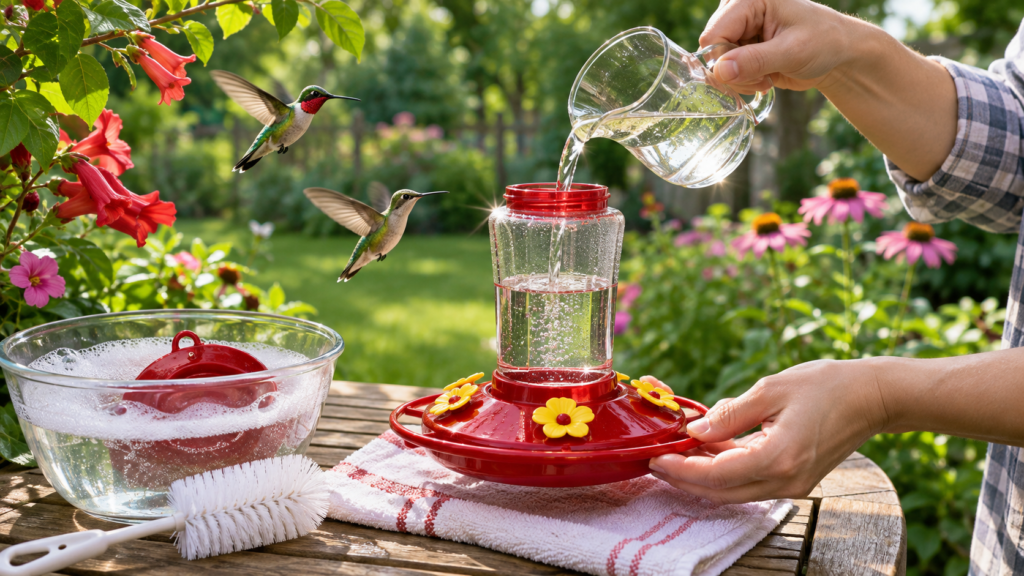
Understanding how often to clean hummingbird feeder and change nectar is the most critical step any backyard enthusiast can take to ensure the continued well-being of their feathered visitors. Because these energetic birds rely heavily on the specific sugar-water solutions provided at your station, maintaining a rigorous level of hygiene is non-negotiable. Nectar left unattended, especially in warmer conditions, quickly transforms from a nutritious food source into a hazardous breeding ground for pathogens that can severely impact local bird populations.
Establishing a reliable, consistent maintenance schedule is an act of responsible wildlife stewardship. By committing to proactive care, you help ensure that your garden remains a safe haven rather than an accidental source of illness for these high-energy birds. This guide provides the practical, evidence-based steps needed to maintain a sanitary and welcoming environment all season long, ensuring your efforts to support nature are truly beneficial.
The Golden Rule of Feeder Hygiene
To ensure your garden remains a safe environment for birds, hummingbird feeders should be cleaned and the nectar replaced at least every 3 to 5 days without exception. This specific, mandatory timeframe is rooted in the reality that sugar water is a highly perishable solution. It rapidly becomes a prime environment for bacterial and fungal growth, particularly during the warm or humid weather cycles that are characteristic of much of the United States. When nectar remains in a feeder beyond this window, the risk of fermentation and contamination increases exponentially.
Many enthusiasts often make the well-intentioned mistake of simply “topping off” the feeder when the liquid levels get low. However, this habit is counterproductive and potentially dangerous. Topping off leaves behind old, residue-heavy nectar in the reservoir, which acts as a potent starter culture for new mold and bacteria to flourish. A complete refresh—which involves emptying the entire contents, rinsing the vessel, and performing a thorough cleaning of the components—is the only way to effectively break the cycle of pathogen buildup. When you adhere to this strict 3-to-5-day maintenance interval, you significantly minimize the risk of birds ingesting contaminated food, keeping your birding experience both positive and safe.
Why Frequent Cleaning is Non-Negotiable
Hummingbirds are inherently social and active creatures that frequently congregate at shared feeding surfaces. This natural behavior, while delightful to witness, unfortunately facilitates the rapid, efficient spread of harmful pathogens among the population. When many individual birds visit the same feeding port throughout the day, any bacteria present on the plastic or glass surface can easily transfer from one bird to another. Common pathogens, such as Salmonella and E. coli, are known to spread in these environments, and they can have severe, often fatal consequences for small songbirds.
Unlike natural food sources in the wild, which are widely dispersed across the landscape and are naturally refreshed or diluted by environmental elements, your backyard feeder creates a dense, static point of contact. If the sugar-water mixture is not changed frequently and the surface is not sanitized, it creates a stagnant, highly hospitable habitat for various microorganisms. Once a feeder becomes a disease vector, it can compromise the health of your local birds very rapidly, turning a well-intentioned feeding station into a significant human-caused hazard. Therefore, the frequency of your cleaning routine directly dictates the health outcomes for the birds visiting your property.
Maintaining a Healthy Feeding Station
Maintaining a healthy feeding station involves a comprehensive approach that extends well beyond the feeder itself. It is equally important to manage the integrity of the entire area immediately surrounding the station. Mold and harmful fungi can grow on spilled nectar, neglected drips, or organic debris that falls onto the ground or deck below. This neglected organic matter creates secondary, and often overlooked, health risks for any birds that might forage near the base of your station.
When conducting your cleaning routine, make it a standard practice to address the ground area as well. Ensure you remove all traces of old, moldy, or discarded organic materials from the vicinity of the pole or hanging structure. If you notice any debris, fermented nectar drips, or accumulated residue beneath your feeders, you should sweep or clean the area effectively. This habit keeps the entire zone hygienic and reduces the chances of attracting opportunistic pests, while also preventing fungi from taking hold in the environment. Remember that comprehensive cleanliness—covering the feeder itself, all feeding ports, and the ground surface below—is the most effective way to prevent disease at your site.
For broader, expert-backed strategies on creating a safe and welcoming space that supports these birds through every season, you can refer to our detailed guide on Hummingbirds in Your Yard: Feeding, Identification, Safety, and Seasonal Care. This resource provides additional insights into how to integrate these hygiene practices into a larger, bird-friendly backyard strategy that benefits the entire local ecosystem.
Monitoring for Sick Birds
Even with the most rigorous, consistent cleaning schedule, it remains vital to keep a watchful eye on the behavior and appearance of the birds themselves. As a bird enthusiast, you act as the first line of defense in monitoring the health of your backyard visitors. You must be observant; if you notice any birds that appear lethargic, exhibit ruffled or matted feathers, have visible signs of crusting around the eyes or beak, or seem to be having persistent trouble feeding, you must intervene immediately for the safety of the entire group.
If you observe these signs of illness at your station, the most responsible and effective action is to remove the feeders entirely. Taking this step is a necessary precaution to prevent the further spread of disease among the flock that visits your property. Leave the feeders down until the birds have naturally dispersed from the area, which allows the natural cycle of the local population to reset and prevents healthy birds from continuing to visit a potentially contaminated surface. Only after the area is clear and the feeders have been thoroughly sanitized and allowed to dry can you consider reintroducing them to your garden.
Frequently asked questions about feeder maintenance
How often should I change the nectar in hot weather?
Even if it has not yet been 3 to 5 days, you must change the nectar more frequently if it is exceptionally hot, as high temperatures significantly accelerate bacterial and fungal growth. If the liquid appears cloudy, shows specks of debris, or shows any signs of mold, discard it immediately and perform a thorough wash of the feeder before refilling it with fresh solution.
Do I need special cleaners to wash my feeder?
Stick to simple, effective cleaning practices that avoid leaving chemical residues behind. The priority is the thorough mechanical removal of all old nectar, biofilm, and mold, followed by a complete rinse with fresh water. Ensure the feeder is completely dry before refilling it with fresh nectar, as residual moisture can encourage the rapid re-establishment of mold spores.
Can mold under my feeder really make birds sick?
Yes. Moldy conditions on the ground or surrounding surfaces can harbor pathogens that birds may accidentally ingest or come into contact with while they are foraging or landing near the feeding station. Keeping the entire feeding station clean, including the ground below, is a key component of preventing disease transmission.
Turn the interval into a repeatable cleaning routine
Use a short maintenance record to make the cleaning interval easier to follow. Record the date of the last complete cleaning, the planned date for the next cleaning, and whether you checked the area beneath the feeder. Keep these entries separate from notes about adding nectar. A refill entry should not be mistaken for a record that the feeder and its shared feeding surfaces were cleaned.
If several people care for the same feeding station, agree on who will perform the next cleaning and where the record will be kept. Use the same list each time: the feeder itself, the feeding surfaces, the surrounding area, and observations about visiting birds. This is a practical way to organize the responsibilities already described in this guide; it does not establish a different cleaning interval or replace the recommendation to remove a feeder when sickly birds are observed.
Review the record alongside what you see at the station. An empty reservoir, a recent refill, and a completed cleaning are different observations. Writing them down separately helps you follow the maintenance routine without treating the calendar entry alone as proof that every task has been completed.
Commit to a Consistent Routine
Protecting the health of the hummingbirds that visit your yard requires an ongoing, disciplined commitment to a regular maintenance routine. By strictly adhering to a 3-to-5-day cleaning cycle and keeping the surrounding feeding area free of moldy, fermented debris, you provide a safe environment that supports these birds throughout the season. Monitoring for signs of sickness and acting quickly to remove feeders if you suspect illness are equally important responsibilities that every bird enthusiast should embrace to protect local wildlife.
Start by marking your calendar or setting a recurring digital reminder to refresh your nectar and scrub your feeders. This simple, proactive habit is the most effective way to ensure your yard remains a beneficial, life-supporting habitat for the hummingbirds you enjoy watching. Consistent care is the foundation of a successful, ethical, and responsible backyard birding station.
Helpful tool: Plan feeder cleaning and maintenance. Bird Feeder Cleaning Planner.
Sources consulted
This content was curated for Feather Yard Guide on 2026-11-06.


Get new guides by email
A weekly roundup when new guides are published. No daily emails.
Email confirmation required. Privacy Policy