

Avoiding filler seeds in wild bird mixes is one of the most effective ways to upgrade your backyard birding experience and ensure you are providing genuine nutritional support for your local avian visitors. If you have ever looked out your window to see a messy, untouched pile of grains accumulating beneath your feeder, you are likely witnessing the direct result of a low-quality bird seed blend. Birds are remarkably selective eaters; when presented with a mixture containing grains they do not recognize as food, they will systematically sort through the heap, picking out the high-quality items they enjoy and discarding the rest on the ground.
This sorting behavior does more than just create an aesthetic eyesore. When large volumes of uneaten seed are scattered across your lawn or patio, it leads to significant financial waste and can create genuine challenges for your backyard’s hygiene. Understanding how to curate your offerings is a core part of Backyard Bird Feeding and Seeds: How to Feed Wild Birds Responsibly. By learning which ingredients to look for and which to avoid, you can transition from buying commodity-heavy bags to selecting nutrient-dense food that keeps your feeder a hub for healthy avian activity rather than a magnet for pests and decay.
Why Your Bird Feeder Is Full of Leftovers
The primary reason your bird feeder might consistently end up covered in leftover scraps is the heavy presence of filler grains. These ingredients—often categorized as low-preference seeds—are things that many common wild bird species simply do not find palatable. Because birds are biologically driven to prioritize the most energy-dense food available, they will bypass these fillers, leaving them behind in the feeder or kicking them out to the ground.
When these rejected seeds accumulate in your yard, they do not just vanish. Uneaten seed becomes a breeding ground for bacteria, mold, and fungus, which can contaminate fresh food supplies and pose real health risks to the very birds you are trying to support. Experts have long observed this behavior, noting that in many low-quality commercial mixes, the majority of the weight is comprised of items that birds naturally reject. When you purchase these bags, you are essentially paying for food that is destined to be discarded, which necessitates more frequent cleanup and creates an environment that may attract unwanted visitors like rodents or insects to the decaying matter collecting under your feeder.
The Evolution of Bird Seed: Convenience vs. Nutrition
To understand why filler grains are so prevalent in the marketplace, we must look at the history of bird seed formulations. Historically, the composition of these mixes was rarely based on the nutritional needs or preferences of wild birds. During the mid-20th century, particularly around the era of the Great Depression, people often utilized “scratch” or bags of waste grain collected from local grain elevators. These early formulations were born from sheer convenience and the economic necessity to repurpose byproducts from large-scale agricultural processes, rather than a scientific understanding of avian biology or digestive health.
As our collective understanding of bird behavior and health has evolved, so too have seed formulations. Researchers, such as those involved in studies dating back to the 1970s and 1980s, tested numerous ingredients to determine what birds actually consume in a free-feeding environment. While early commercial blends might have included up to 23 different ingredients—many of which were essentially agricultural refuse—modern science has helped refine these lists significantly. By the mid-2000s, the industry began shifting toward higher-quality, science-backed mixtures that prioritize bird preference over the use of cheap, readily available agricultural waste. This shift reflects a move toward quality, ensuring that every pound of seed you purchase serves a purpose for the birds you watch.
Ingredients to Avoid: Spotting Common Fillers
When you are shopping for bird seed, it is essential to inspect the ingredient list on the bag rather than relying on the imagery or marketing claims on the front. Many commercial blends rely on filler seeds to keep the overall retail cost low, but these ingredients are rarely consumed by common backyard songbirds. To keep your bird feeding station clean, efficient, and healthy, try to avoid blends that prominently feature the following ingredients:
- Milo (Sorghum): Often found in cheaper mixes, it is a low-preference grain that many birds will consistently reject.
- Wheat: Like milo, wheat is often used as a cheap, heavy filler and is rarely the first choice for most visiting songbirds.
- Hulled Oats: These are frequently left behind in the tray or on the ground, serving no nutritional purpose for most feeder species.
- Red Millet and Golden Millet: While some birds may eat these in specific circumstances, they are widely considered fillers that are significantly less popular than white proso millet.
- Flax Seeds: Frequently included in low-quality multi-grain mixes, these are often bypassed by birds in favor of more calorie-dense options.
- Rapeseed: This seed often goes completely uneaten unless specific target species like quails, doves, finches, or juncos are present in your area. If those species are absent, the rapeseed simply spoils in the feeder.
Be particularly cautious of any small, round, reddish seeds. While sometimes these are benign, you should verify if the label specifically mentions milo or sorghum, as these are common filler culprits. If you see a high concentration of these in the list, you are likely buying a mix that will lead to more yard waste than bird visits.
What Birds Actually Prefer
A high-quality feeding station starts with the basics. Instead of purchasing complex, proprietary blends that hide a high percentage of fillers, look for mixtures that focus on the “big three” ingredients favored by a wide variety of species: black oil sunflower seeds, white proso millet, and cracked corn.
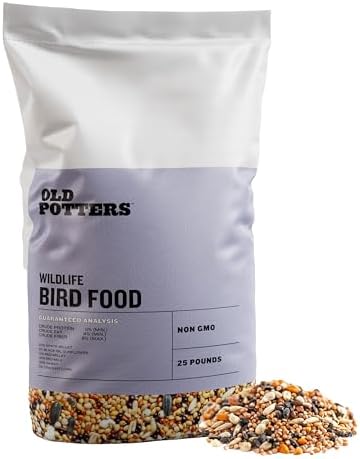
Black oil sunflower seeds are widely considered the gold standard in wild bird feeding. Their thin shells are easy for a wide array of birds to crack, and they provide the essential high fat and energy content that many species crave, especially during colder months. White millet is also a highly valued ingredient for many ground-feeding species, providing a better alternative to the lower-quality millets used as fillers. By sticking to these core, high-preference seeds, you provide better nutrition to your local bird population while drastically reducing the amount of waste that ends up in your yard. Some specialty blends have even been formulated to exclude all filler seeds entirely, providing a “no-waste” experience that keeps your yard clean.
How to Inspect Your Bird Seed Label
Before you finalize your purchase at the store, take a moment to look at the back of the bag. Use this simple checklist to determine if you are buying a quality product rather than a bag of cheap fillers:
- Review the Ingredient List: Always look for black oil sunflower seeds or white millet as the primary components. If the list is dominated by milo, wheat, or oats in the first three positions, consider putting the bag back.
- Check for Red Flags: Verify the presence of red millet, flax, or other fillers. If these appear high up in the ingredient list, choose a different brand to avoid unnecessary cleanup.
- Assess the Ratio: A good mix should appear balanced with seeds that you recognize as high-quality. If the mix looks like a sea of tiny, unrecognizable, hard grains, it is likely a filler-heavy product.
- Look for Integrity Labels: Some reputable brands now explicitly label their products as “filler-free” or “no-waste” blends. While these may cost more per bag, they often provide more actual nutrition per dollar spent.
Making the Switch to Better Bird Food
Transitioning to higher-quality seed is a meaningful investment in both your wallet and your yard’s overall health. While premium, filler-free seeds might carry a higher upfront cost compared to bulk commodity mixes, you will likely find that you go through less food overall because almost every seed you put out is actually consumed by the birds. This shift minimizes the cleanup required under your feeders, prevents the accumulation of rotting waste, and keeps your feeding area significantly more hygienic.
By prioritizing quality over quantity, you create a more welcoming environment for birds and a much cleaner experience for yourself. Next time you are stocking up, remember that the most cost-effective bag of seed is not the one with the lowest price tag, but the one with the highest consumption rate. Your birds will benefit from the increased nutrition, and your lawn will thank you for the lack of discarded, fermenting grain.
Frequently asked questions about bird seed fillers
Why do birds sort through my bird seed?
Birds are naturally selective eaters. They instinctively look for high-fat, high-energy food sources that help them maintain their metabolic needs. When presented with a mix of grains, they will pick out their favorite items, such as sunflower seeds, and push aside or discard filler grains like milo and wheat.
Is it bad if seeds fall to the ground?
Yes, allowing excess seed to accumulate on the ground can be problematic. Uneaten seeds can rot, attract rodents or other unwanted pests, and become a breeding ground for bacteria or fungus, which can be harmful to visiting birds.
Are all millet seeds considered fillers?
No. White proso millet is a staple in many high-quality, scientifically formulated mixes and is enjoyed by many ground-feeding birds. It is specifically red millet and golden millet that are generally categorized as low-preference fillers that birds tend to avoid.
Does expensive seed actually save money?
Often, yes. While a bag of premium seed may cost more per pound, the lack of filler means that a much higher percentage of the seeds are actually eaten by the birds. You waste less product, spend less time cleaning up, and provide much better nutrition to your backyard visitors.
Helpful tool: Compare suitable bird food and feeder options. Bird Food & Feeder Finder.
Sources consulted
- Feeding Birds: a Quick Guide to Seed Types | All About Birds
- Who Likes What: The Favorite Birdseed of Feeder Regulars and Rarities | Audubon
- Best Bird Seed for Backyard Birds – Business Insider
Research date: 2026-11-05 | Feather Yard Guide
Foto: Mike’s Birds from Riverside, CA, US — origem da imagem — licença CC BY-SA 2.0.



Get new guides by email
A weekly roundup when new guides are published. No daily emails.
Email confirmation required. Privacy Policy