
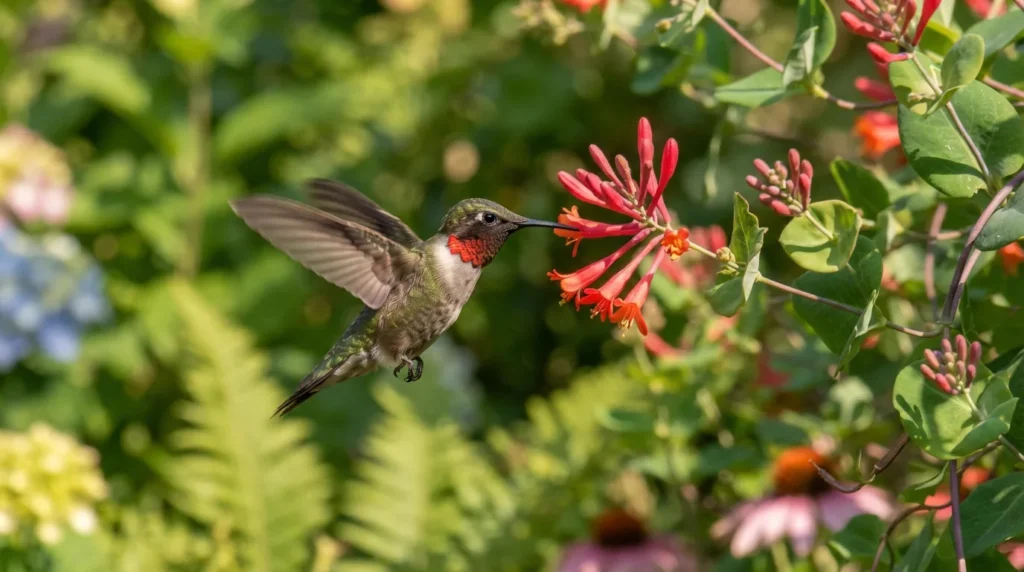
Hummingbirds in Your Yard: Feeding, Identification, Safety, and Seasonal Care require a thoughtful approach to ensure these remarkable creatures thrive around your home. Across the globe, more than 300 hummingbird species exist, with around 18 species found regularly in the United States. Providing a welcoming environment brings a splash of motion and vibrant color right to your outdoor space.
Observing these birds involves understanding their intense energy requirements and seasonal patterns. Because they possess the highest energy output per body weight unit of any animal and can fly up to 40 miles per hour, backyard feeders and native plants offer vital support during migration and breeding seasons.
Quick Overview of Backyard Hummingbirds
While hundreds of species exist worldwide, birders in North America will notice distinct regional patterns. Out of approximately 359 known hummingbird species throughout the Americas, only the ruby-throated hummingbird breeds across eastern North America.
These tiny dynamos weigh less than a nickel, typically measuring between 2.8 and 3.5 inches long with an average weight of 2.9 to 3.8 grams. Their wings beat at an astonishing 50 to 70 times per second, which generates their characteristic hum and allows them to hover effortlessly while drinking nectar.
Identifying Hummingbirds and Understanding Their Biology
Recognizing backyard visitors starts with understanding their incredible physical adaptations and life history. For instance, ruby-throated hummingbirds are phenomenal endurance flyers, capable of completing a 500-mile non-stop flight across the Gulf of Mexico during migration, lasting roughly 20 hours.
Because their metabolism runs at an extreme pace, they must feed constantly during daylight hours. Observing their hovering flight, iridescent plumage, and needle-like bills helps birders distinguish them from large insects like clearwing moths.
How to Prepare Safe Homemade Hummingbird Nectar
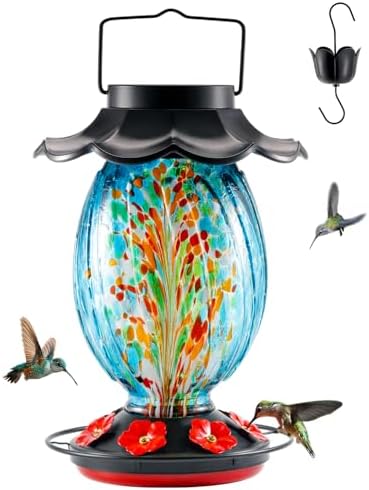
Providing supplemental food is one of the most effective ways to support local birds. Standard homemade hummingbird nectar requires a simple ratio and careful preparation to mimic natural flower nectar safely.
- Sugar Ratio: Use a 4:1 ratio of water to white granulated sugar. Mix four parts water with one part white granulated sugar.
- Preparation Method: Boil the water to help dissolve the sugar completely, then let the mixture cool entirely before filling any feeders.
- Storage: Any leftover or unused nectar can be stored safely in the refrigerator for up to two weeks.
Feeder Cleaning and Nectar Replacement Schedule
Maintaining clean feeders is critical for preventing harmful pathogens and keeping backyard visitors healthy. Sugar water quickly spoils in warm weather, fermenting into alcohol that is toxic to hummingbirds.
- Replacement Frequency: Replace nectar every 2 to 4 days under normal conditions. In temperatures exceeding 90 degrees Fahrenheit, change the solution daily or every other day.
- Cleaning Agents: Clean feeders thoroughly with white vinegar during every refill, rinsing them completely with fresh water.
Common Mistakes: Artificial Dyes and Harsh Soaps
Avoiding common pitfalls protects the health of your backyard birds. A frequent error is adding artificial coloring to supplemental solutions.
Artificial red dyes or chemical additives should never be added to hummingbird nectar. Although these birds are attracted to bright colors, dyes are entirely unnecessary and potentially harmful. Rely on the natural color of your feeder or nearby garden decor to attract them instead.
Additionally, avoid using standard dish soap when washing feeders. Dish soap can leave behind chemical residues that are dangerous to tiny birds; white vinegar provides a much safer alternative for cleaning.
Attracting Hummingbirds with Native Tubular Flowers
Artificial feeders work best when paired with a natural landscape. Hummingbirds are naturally drawn to tubular flowers that match their long, specialized beaks.
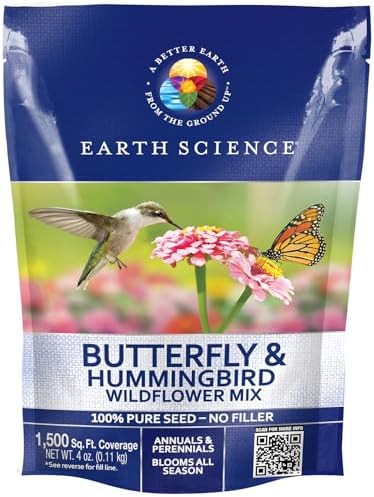
Gardeners can plant a variety of native tubular species to establish a continuous food source from early spring through the fall migration period. Excellent plant options include:
- Firebush
- Turk’s cap
- Lantana
- Petunia
- Pride of Barbados
Staggering the bloom times of these plants ensures a steady, reliable supply of natural nectar.
Seasonal Care and Understanding Torpor
Understanding natural behavioral cycles helps homeowners care for birds through changing weather. When food resources become scarce or during unexpected cold snaps, hummingbirds can enter a specialized metabolic state called torpor.
During torpor, which can last for up to 12 hours, a hummingbird dramatically decreases its metabolic rate, reduces its breathing and heart rate, and lowers its internal body temperature to conserve vital energy reserves until conditions improve.
Frequently Asked Questions About Backyard Hummingbirds
How often should I change the nectar in my hummingbird feeder?
Nectar should be replaced every 2 to 4 days. If outdoor temperatures exceed 90 degrees Fahrenheit, you must replace the sugar water daily or every other day to prevent fermentation and black mold.
Is red food coloring safe for hummingbirds?
No. Artificial red dyes and additives are unnecessary and should not be added to hummingbird solutions. Feeders naturally feature red components to attract the birds without risking their health.
Can I use dish soap to clean my hummingbird feeder?
It is best to avoid dish soap because it can leave behind harmful chemical residues. Instead, clean your feeders using white vinegar and rinse them thoroughly with water.
What is the correct recipe for homemade hummingbird nectar?
Combine four parts water with one part white granulated sugar. Boil the water to dissolve the sugar, allow the mixture to cool completely, and store any extra solution in the refrigerator for up to two weeks.
Creating a Safe Backyard Haven
Supporting backyard hummingbirds is a rewarding way to connect with local wildlife while enhancing your outdoor space. By sticking to a simple 4:1 sugar-and-water recipe, avoiding artificial dyes and dish soaps, maintaining a rigorous cleaning schedule, and planting native tubular flowers, you establish a reliable and safe habitat. Observing these energetic travelers adds wonder to any backyard while giving them the nourishment they need on their incredible journeys.
Sources Consulted
- How to attract hummingbirds to your yard – AgriLife Today
- FS1316: Attracting Ruby-throated Hummingbirds to Your Yard (Rutgers NJAES)
Published by Feather Yard Guide on 2026-10-18.






Get new guides by email
A weekly roundup when new guides are published. No daily emails.
Email confirmation required. Privacy Policy